Analytics should reduce uncertainty
Most teams do not lack data. They lack a system for turning data into commercial action.
Dashboards get updated. Reports get shared. KPIs get reviewed. But none of that automatically creates demand if analytics is disconnected from positioning, content, and conversion.
The role of analytics is not just to describe activity. It should help the team answer better questions and decide what to improve next.
Start with the buyer journey, not the dashboard
Before looking at metrics, map the journey from first contact to qualified action.
Ask where a visitor becomes aware of the problem, where they understand the offer, where they evaluate trust, and where they decide whether to take action.
When analytics is mapped to the journey, every metric has a purpose. When it is not, the team ends up optimizing isolated numbers.
Find the friction between attention and action
A page with traffic but low CTA engagement may have a positioning issue.
A report with downloads but no follow-up may have a weak nurture path.
A campaign with clicks but no booked calls may be attracting the wrong intent or failing to create enough trust.
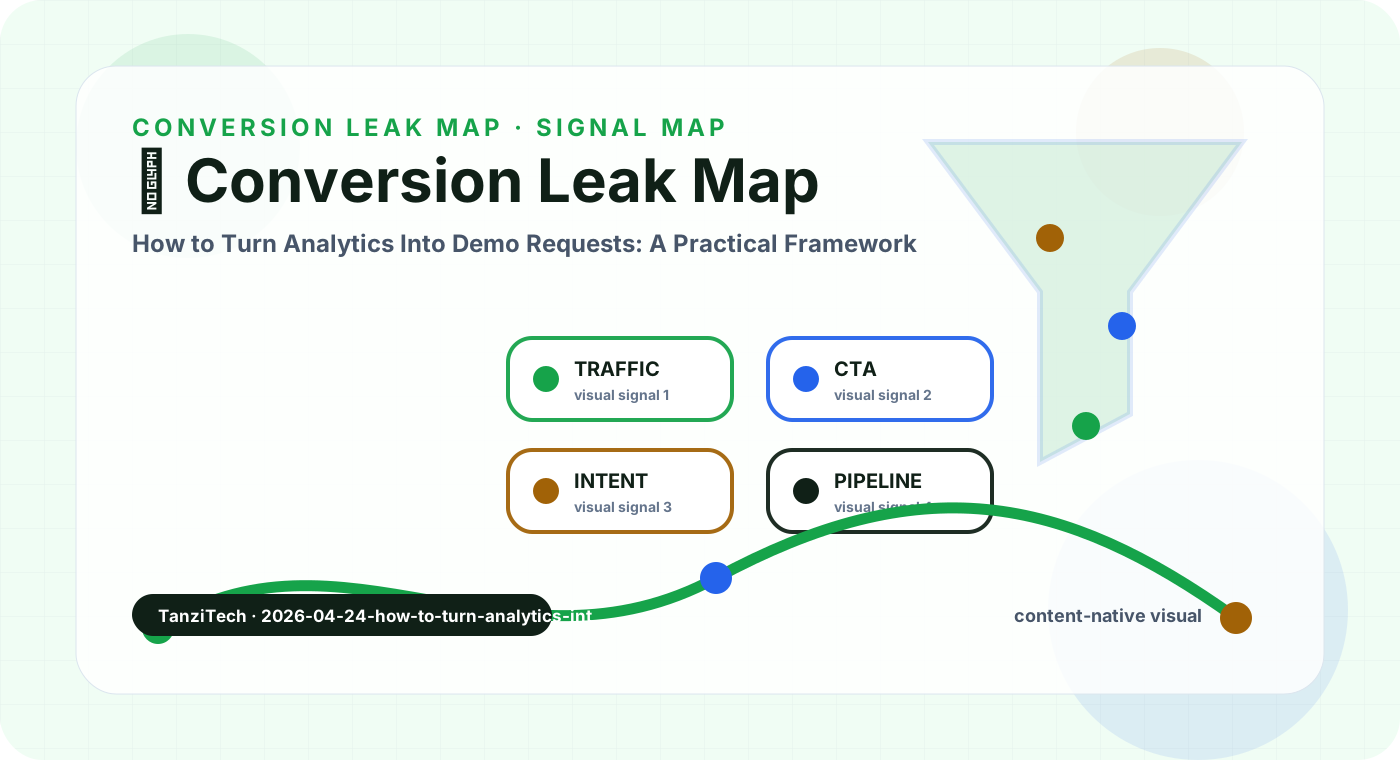
Create a demo-request signal map
Track the actions that happen before a demo request. These may include repeat visits, report downloads, pricing page views, audit CTA clicks, newsletter signups, or comparison-page engagement.
Then classify each action by signal strength. Not every click matters equally.
The goal is to identify which combinations of actions most often indicate a qualified prospect.
Turn analytics into experiments
Once a bottleneck is visible, do not jump immediately to a full redesign.
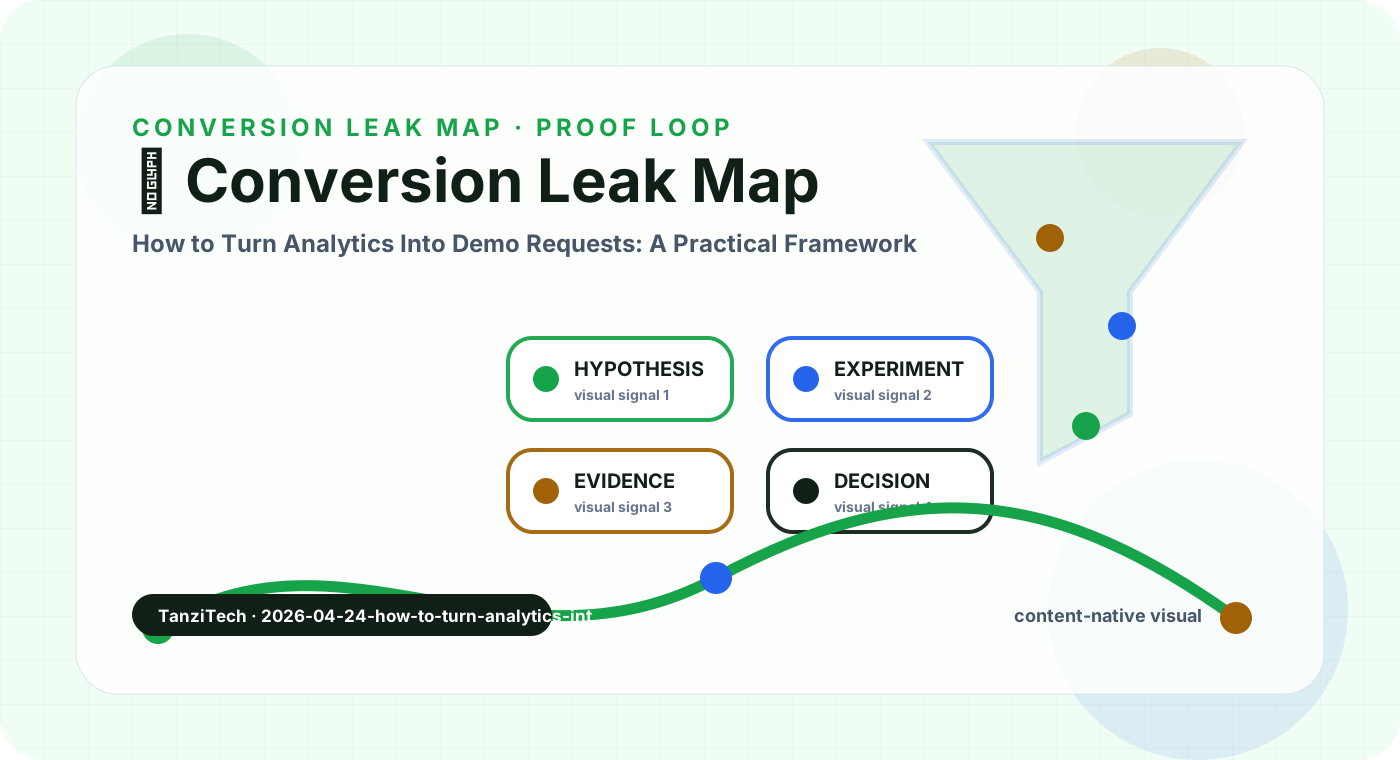
Create a focused experiment. Test a clearer headline, a stronger CTA, a different report offer, or a lower-friction next step.
Record the result in a way the team can understand: visitors, conversions, conversion rate, relative lift, and final decision.
Final takeaway
Analytics creates value when it changes what the team does next. The practical goal is to turn reporting into decisions, decisions into experiments, and experiments into qualified pipeline.
Turn this insight into an operating workflow.
Use the LinkBoom demo to scan an asset, identify bottlenecks, preview fixes, create experiment ideas, and see which next action deserves priority.